Link Directory SEO: How to Build Authority, Traffic, and Local Visibility
In a world dominated by search algorithms and AI-driven discovery, link directories remain one of the most misunderstood yet powerful tools in SEO. When used strategically, directory listings can strengthen trust signals, improve local rankings, and create a diversified backlink profile that search engines value.
Let’s break down how modern link directory SEO works—and how to use it without falling into outdated spam tactics.
What Is Link Directory SEO?
Link directory SEO is the practice of submitting your business or website to curated online directories to earn structured citations and backlinks. These directories categorize businesses by niche, service, or geography, helping search engines validate your legitimacy and relevance.
Search engines like Google use directory data to confirm:
Directories are less about “link juice” today and more about entity validation and digital credibility.
Why Directories Still Matter in 2026
Despite algorithm changes, directories continue to influence rankings because they function as structured data hubs. Listings on authoritative platforms like Yelp and Better Business Bureau act as independent verification sources.
Key SEO Benefits:
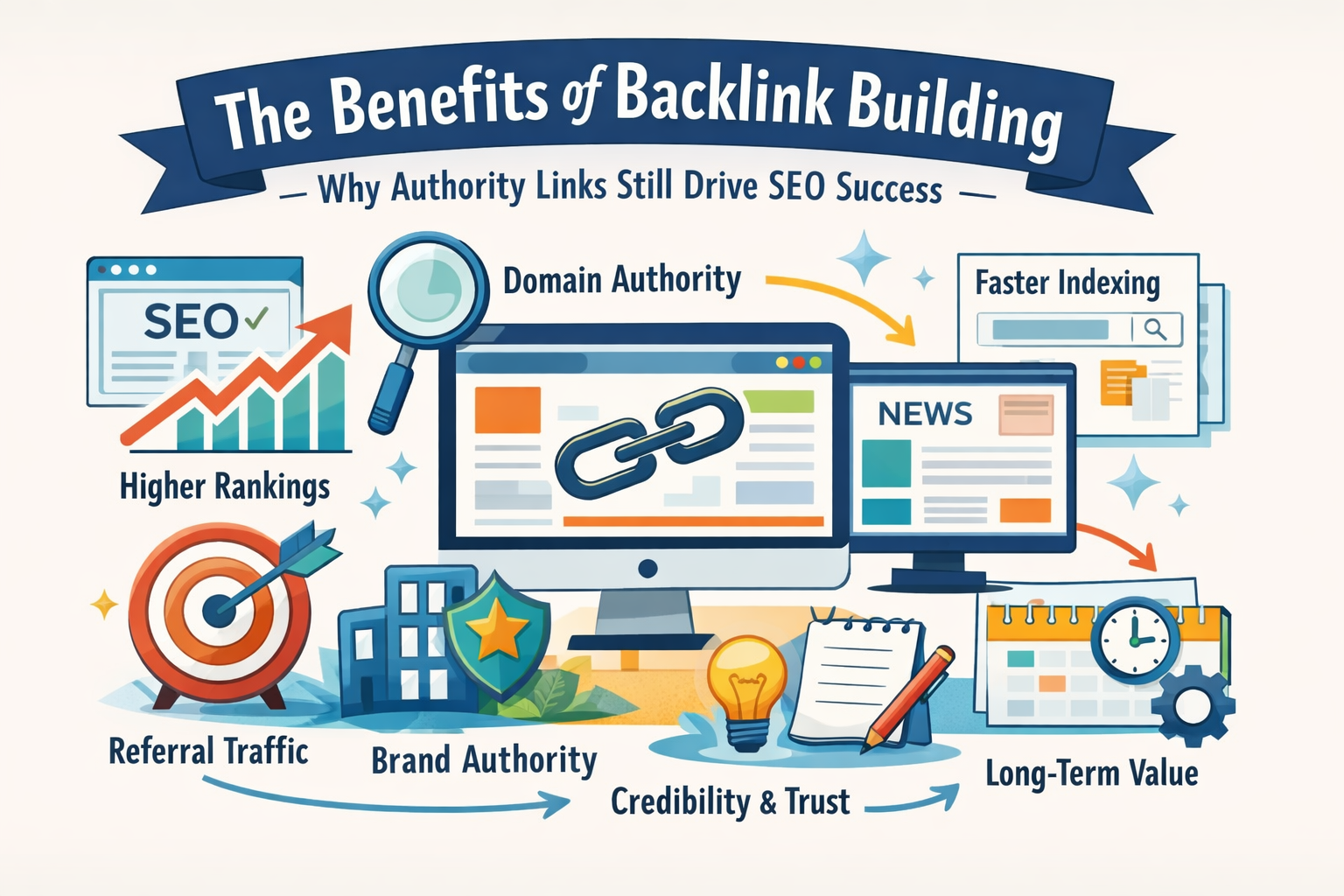
✅ Improves Local SEO Rankings
Search engines cross-reference directory data to confirm your location and service area.
✅ Builds Trust & E-E-A-T Signals
Consistent listings reinforce Experience, Expertise, Authority, and Trust.
✅ Creates Natural Backlink Diversity
Directories balance your backlink profile so it doesn’t look artificially built.
✅ Drives High-Intent Referral Traffic
Users browsing directories are often ready to buy or contact.
✅ Strengthens Brand Entity Recognition
Multiple mentions across trusted sources help algorithms treat your business as a recognized entity.
The Difference Between Good and Bad Directories
Not all directories help SEO. In fact, low-quality submissions can harm rankings.
High-Quality Directories Have:
Low-Quality Directories Show:
Thousands of unrelated listings
Auto-approval submissions
Thin or duplicate content
Obvious “link farm” behavior
Modern SEO is about curation, not mass submission.
How to Optimize a Directory Listing for Maximum SEO Value
Submitting your site is only step one. Optimization is where real value happens.
1. Maintain Perfect NAP Consistency
Your business details must match exactly across every listing. Even small differences (like “St.” vs “Street”) can weaken trust signals.
2. Write a Unique Description for Every Directory
Avoid copying your About page. Unique content prevents duplication and strengthens contextual relevance.
3. Choose the Most Accurate Category
Relevance outweighs volume. A niche-specific listing often performs better than a general one.
4. Add Media and Supporting Content
Logos, photos, services, and FAQs improve engagement and increase indexation depth.
5. Use Branded Anchor Text
Avoid keyword-stuffed links. Natural branding signals are safer and more effective long-term.
The Role of Directories in a Modern Backlink Strategy
Directories should sit at the foundation layer of your SEO stack, supporting higher-authority content, PR mentions, and editorial backlinks.
Think of them as:
Digital business citations + trust validators + structured mentions.
SEO tools such as Ahrefs, SEMrush, and Moz consistently show that businesses with clean citation profiles outperform competitors in local search visibility.
Common Mistakes to Avoid
❌ Submitting to hundreds of directories at once
❌ Using identical descriptions everywhere
❌ Ignoring niche directories in favor of general ones
❌ Letting listings become outdated
❌ Treating directories as “set and forget”
Directory SEO is not automation—it’s digital reputation management.
How Link Directories Fit Into Programmatic SEO
For businesses scaling content or location pages, directories help validate those expansions. Each listing reinforces geographic relevance, making it easier to rank new service-area pages or niche offerings.
When paired with consistent publishing, directories create a reinforcing loop:
Content → Citations → Trust → Rankings → Traffic
Final Thoughts
Link directories are no longer about gaming search engines—they’re about confirming legitimacy across the web’s data ecosystem. Businesses that treat directories as part of a structured SEO strategy gain stronger local rankings, more trusted brand signals, and sustainable long-term visibility.
The key isn’t quantity.
It’s accuracy, relevance, and authority.
Want to scale directory SEO the right way? Focus on quality listings, consistent data, and ongoing optimization—not bulk submissions.